In construction and industrial projects, steel pipes are often selected based on price rather than quality. While cheaper options may appear cost-effective initially, they can create serious long-term problems related to safety, durability, and maintenance. Understanding the hidden risks behind low-quality steel pipes helps builders, contractors, and dealers make smarter decisions.
Compromised Material Quality
Cheap steel pipes are often manufactured using lower-grade raw materials or inconsistent production processes. This results in reduced strength and uneven thickness, making pipes more likely to bend, crack, or fail under pressure.
Reduced Load-Bearing Strength
Steel pipes used in structures must support weight and pressure over long periods. Low-quality pipes may not handle heavy loads properly, increasing the risk of structural instability in buildings, fencing systems, or industrial frameworks.
Corrosion and Rust Problems
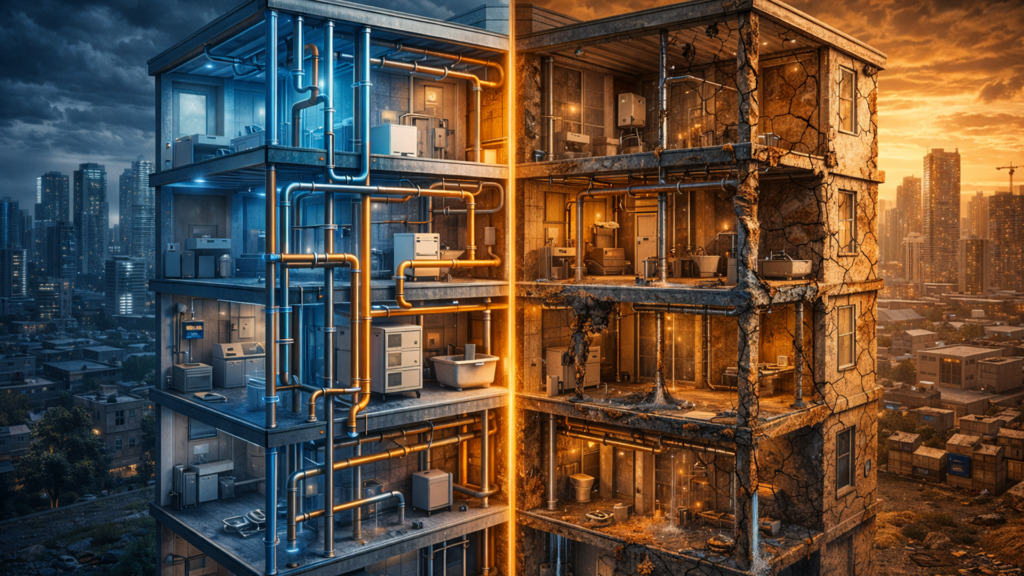
Poor coating or untreated surfaces make cheap pipes highly vulnerable to rust and corrosion. Exposure to moisture, chemicals, or outdoor environments can quickly weaken the pipe, leading to leakage or structural damage.
Hidden Long-Term Costs
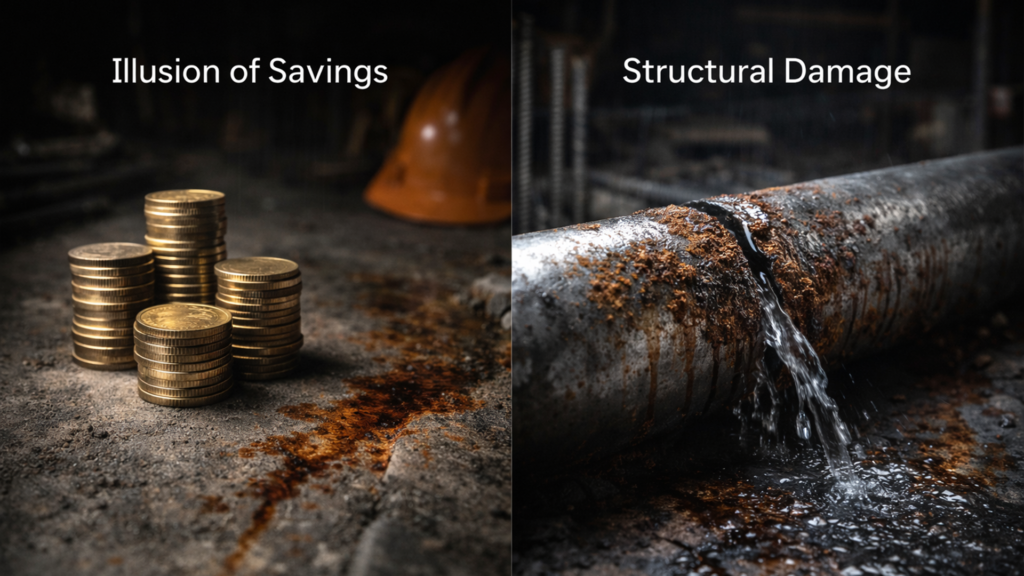
Although cheaper pipes reduce initial expenses, they often increase maintenance and replacement costs. Repairs caused by leakage, breakage, or corrosion can interrupt projects and create additional financial burden.
Safety Risks in Construction
Structural failures caused by substandard materials can lead to safety hazards. Certified steel pipes undergo proper testing and quality checks, while cheaper alternatives may lack standard compliance.
How to Identify Low-Quality Steel Pipes
- Uneven surface finishing or visible welding defects.
- Incorrect weight compared to standard specifications.
- Lack of proper branding or certification markings.
- Thin walls or inconsistent pipe thickness.
- Unusually low pricing compared to market standards.
Why Quality Pipes Are a Better Investment
High-quality steel pipes provide durability, strength, and resistance against environmental damage. They help maintain structural safety and reduce long-term repair costs. Reliable suppliers ensure tested materials that meet professional construction standards.
Conclusion
Choosing steel pipes based only on price can compromise safety and performance. Investing in certified and durable products ensures long-lasting structures and customer satisfaction. Trusted suppliers like HMT Steel focus on delivering dependable steel solutions that support strong and secure construction projects.
— HMT Steel