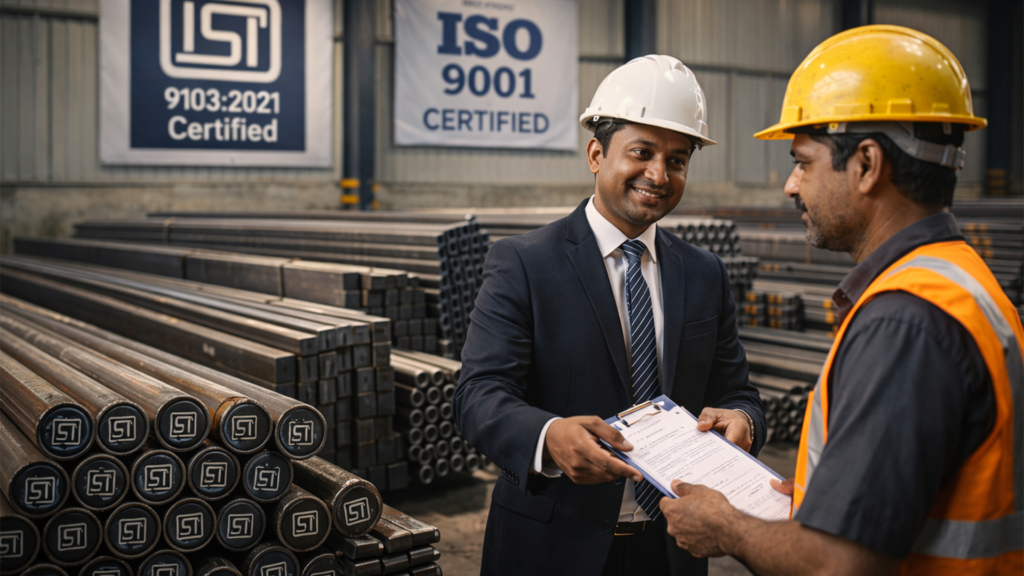
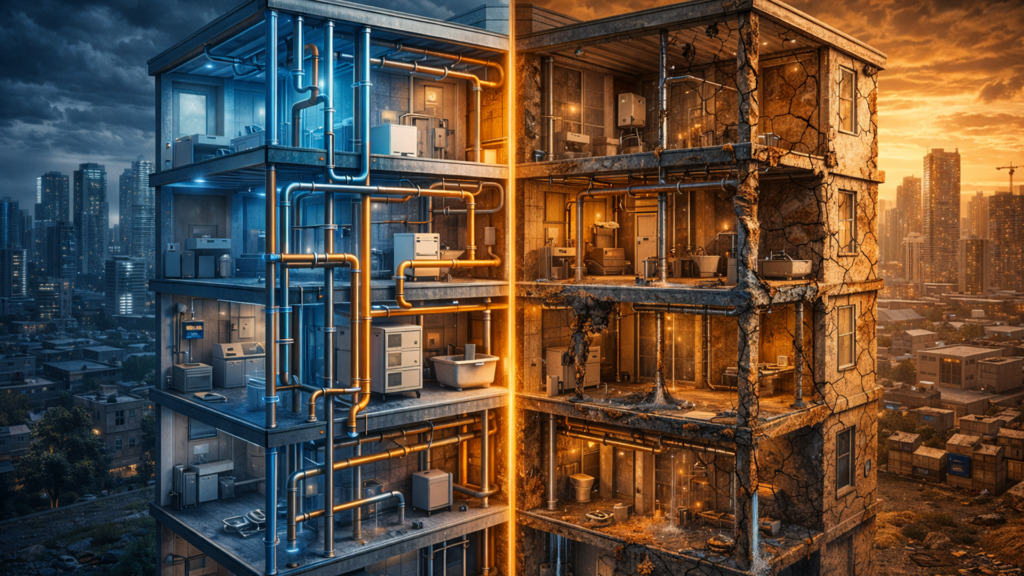
Steel pipes play a very important role in determining the strength, durability, and long-term safety of any building or infrastructure. Whether it is residential construction, commercial projects, factories, or industrial sheds, the quality of pipes used directly affects how long a structure lasts and how safely it performs under pressure and load.
Why Steel Pipes Matter in Construction
Steel pipes are widely used in structural frameworks, plumbing systems, water supply lines, scaffolding, and industrial installations. High-quality steel pipes provide strong load-bearing support and resist bending, cracking, or deformation during heavy usage. Poor quality pipes, on the other hand, can weaken structures over time and increase maintenance costs.
Strength & Load Bearing Capacity
Quality steel pipes are designed to bear heavy structural loads and external pressure. They help distribute weight evenly across the structure, reducing stress points in buildings. In industrial or multi-floor construction, strong pipes improve stability and prevent long-term structural damage.
Durability and Life of a Building
Good steel pipes increase the overall lifespan of a building. They resist corrosion, moisture damage, and environmental wear. Proper coating or galvanization protects pipes from rust, especially in water supply or outdoor installations. Durable pipes reduce leakage issues and ensure long-term performance.
Why Choosing Quality Pipes is Important
Using certified and high-grade pipes ensures safety and reliability. Quality pipes maintain proper thickness, accurate welding, and strong joints. They also handle pressure changes, temperature variations, and heavy usage without failure. Investing in better quality materials at the construction stage helps avoid costly repairs later.
How to Identify Quality Steel Pipes
- Check wall thickness consistency and smooth finishing.
- Look for proper company branding and certification markings.
- Ensure strong welding without cracks or uneven joints.
- Verify weight standards as per industrial specifications.
- Choose trusted suppliers who provide tested materials.
Applications in Structures
Steel pipes are used in columns, fencing, scaffolding, water pipelines, drainage systems, and industrial machinery frameworks. Their strength and flexibility make them suitable for both small residential projects and large commercial buildings.
Conclusion
The life of a building depends not only on design but also on the materials used during construction. High-quality steel pipes provide strength, safety, and durability for decades. Choosing reliable products from trusted suppliers like HMT Steel helps ensure long-lasting performance and structural stability.
— HMT Steel