
India’s rapid economic development and urban expansion have made infrastructure growth one of the country’s top priorities. From highways and rail networks to smart cities and industrial corridors, steel has become a foundational material supporting modern construction. Its strength, durability, and versatility make it essential for building safe and long-lasting infrastructure across the nation.
Backbone of Modern Infrastructure
Steel is widely used in bridges, flyovers, metro rail systems, airports, industrial plants, and large commercial structures. Its high load-bearing capacity allows engineers to design stronger and more efficient structures while maintaining safety standards.
Steel pipes and structural sections play an important role in supporting frameworks, transportation systems, and utility networks.
Transportation and Connectivity Development
India’s expanding roadways, railway modernization projects, and metro systems rely heavily on steel components. Steel provides the required strength to withstand heavy traffic loads and long-term environmental exposure.
Bridges, railway stations, logistics hubs, and freight corridors use steel structures to ensure durability and reliability.
Urbanization and Smart Cities
Rapid urban population growth has increased demand for residential housing, commercial complexes, and smart city developments. Steel enables faster construction timelines compared to traditional materials while maintaining structural strength.
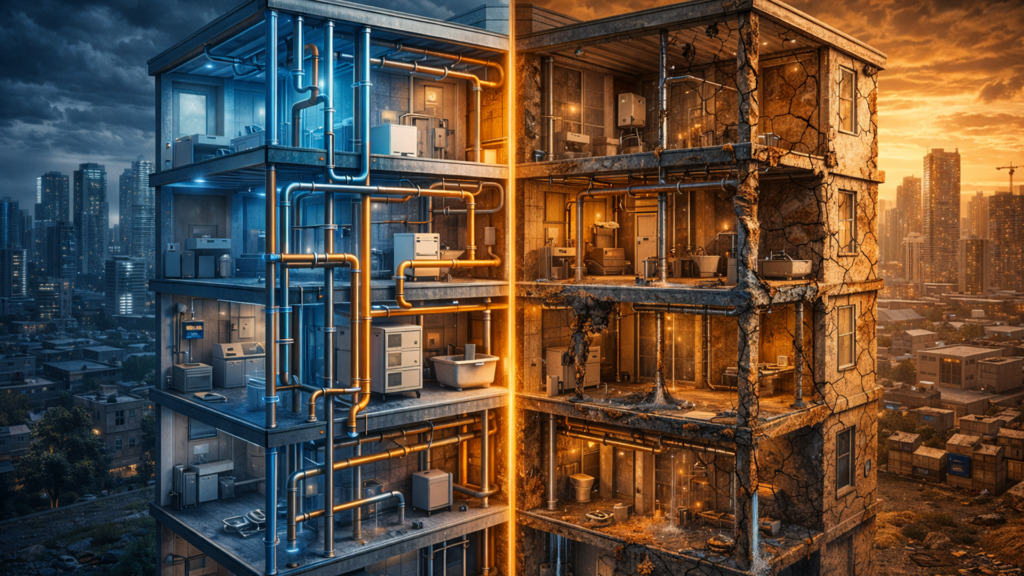
Steel pipes are widely used in plumbing systems, drainage networks, fencing, and fabrication work within urban projects.
Industrial and Manufacturing Expansion
Industrial growth and manufacturing development require strong infrastructure such as factories, warehouses, and processing units. Steel structures allow flexible design and efficient installation for industrial facilities.
Pipelines and steel frameworks are also essential for machinery support and production operations.
Water Supply and Utility Infrastructure
Government initiatives focused on clean water supply, irrigation, and sanitation projects are increasing the demand for reliable steel pipes. Durable steel materials help maintain safe water distribution systems and long-lasting utility networks.
Sustainability and Long-Term Value
Steel is recyclable and supports sustainable construction practices. Its long service life reduces replacement needs and maintenance costs, making it a cost-effective choice for large-scale infrastructure investments.
Future Outlook
With continued investment in transportation, energy, housing, and industrial sectors, India’s infrastructure development is expected to grow steadily in the coming years. The demand for high-quality steel materials and trusted suppliers will remain essential for meeting future construction needs.
Conclusion
Steel plays a critical role in strengthening India’s infrastructure by supporting safe construction, efficient transportation systems, and industrial growth. Choosing reliable and high-quality materials ensures long-lasting performance. HMT Steel remains committed to supplying dependable steel solutions that contribute to stronger and sustainable infrastructure development.
— HMT Steel